

 Back to Blogs
Casement vs. Double-Hung Windows: Which Is Better for Your Home?
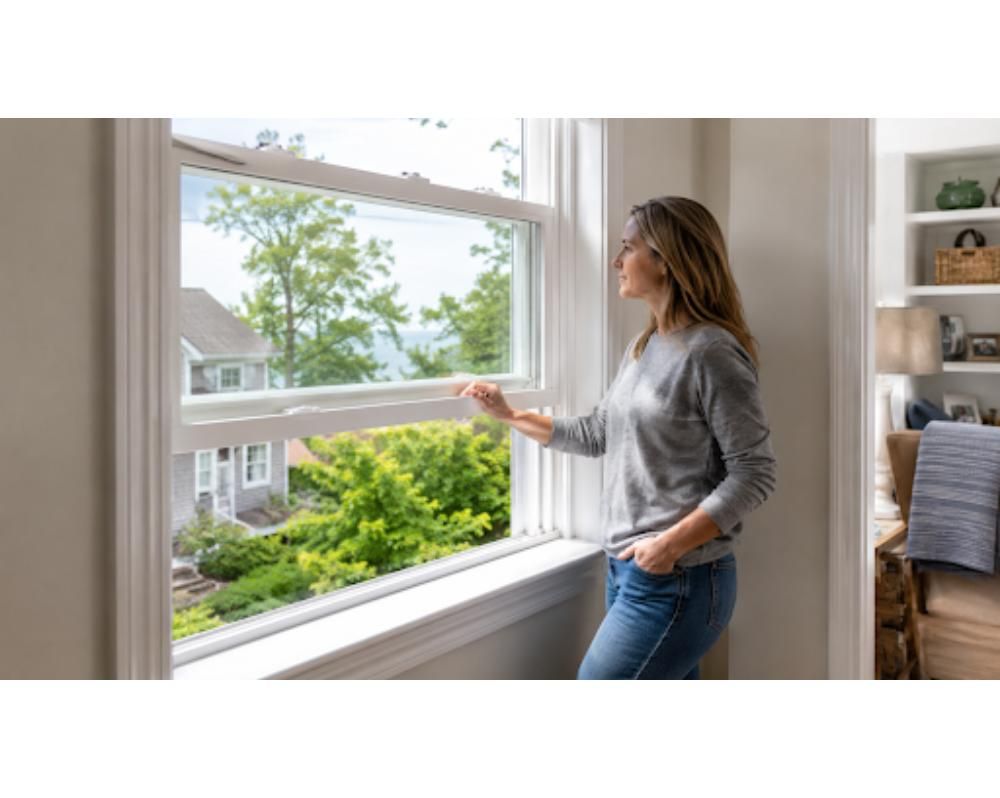
For most homes, double-hung windows are the more versatile everyday choice, while casement windows win when you want the tightest seal and the easiest one-motion operation. Neither one is better across the board. The right pick depends on the room, how you use the window, and how much your home takes on wind and weather. This guide walks through how each style works, how they stack up on ventilation, cleaning, energy efficiency, and view, and which situations favor one over the other, so the decision gets simpler by the end.
Both are strong options for energy-efficient windows, and both are backed by a lifetime limited warranty. What separates them is mostly how they open and how they behave once they are shut.
What Sets Casement and Double-Hung Windows Apart
The core difference is motion. A double-hung window slides up and down. A casement window swings out to the side. That single distinction shapes almost everything else, from how much air you get to how you clean the glass.
How a Double-Hung Window Works
A double-hung window has two sashes stacked in a single frame, and both of them move. You can lower the top sash, raise the bottom sash, or open both at once to let warm air escape up top while cooler air draws in below. Our double-hung windows are the best-selling vinyl style we install, and it is easy to see why. Both sashes tilt inward, so you can wash the outside glass from inside your home. That is a real convenience on upper floors and multilevel houses, where reaching the exterior any other way means a ladder. A sloped sill helps water drain away quickly, an included screen keeps pests out while air flows in, and the vinyl frame never chips, peels, cracks, or warps.
How a Casement Window Works
A casement window is hinged on one side and opens outward with a gentle turn of a crank. There is no sliding involved. When you want air, you crank the sash open, and it can swing a full ninety degrees to catch a breeze from the side of your home. When you close it, the sash presses firmly against the frame and locks tight. Our casement windows use triple-barrier weatherstripping and are built for rainy, windy conditions, which matters along the shore. The awning version, hinged at the top, can stay cracked open for airflow even during a light rain.
Comparing Casement and Double-Hung Windows Side by Side
Here is how the two styles line up on the factors homeowners ask about most.
Factor | Double-Hung | Casement |
| How it opens | Both sashes slide vertically | Cranks outward on a side hinge |
| Ventilation | Good, adjustable top and bottom | Excellent, full sash opening |
| Cleaning | Both sashes tilt in for inside washing | Reach exterior glass from inside where accessible |
| Weather seal | Solid, sliding sash design | Very tight, sash locks against the frame |
| Best over | Sinks, walkways, standard walls | Hard-to-reach spots, breezy exposures |
| Screen | Included | Included |
| Operation | Lift and lower by hand | Turn a crank handle |
| Warranty | Lifetime limited warranty | Lifetime limited warranty |
Ventilation and Airflow
Casement windows tend to move more air because the whole sash opens and can act like a scoop, funneling a side breeze into the room. Double-hung windows give you flexible control instead of maximum volume. Opening both sashes creates natural circulation, with stale warm air venting through the top and fresh air entering below. If a room feels stuffy and you want the strongest possible draft, casement has the edge. If you want to fine-tune airflow, double-hung is hard to beat.
Ease of Cleaning
This is where double-hung windows shine. Both sashes tilt into the room, so you can clean every pane without stepping outside. Casement windows open wide enough that you can often reach the exterior glass from indoors where the opening allows, though the swing-out design and the crank hardware make the process a little different. For a second-story bedroom, the tilt-in feature is a genuine time-saver.
Energy Efficiency and Weather Sealing
Both styles carry an energy-efficient design meant to keep your home comfortable and hold down heating and cooling costs. Casement windows generally seal tighter, because cranking the sash shut pulls it snug against the frame with pressure a sliding sash cannot fully match. Paired with triple-barrier weatherstripping, that makes casements a strong choice for exposed walls that face wind and driving rain. Double-hung windows still seal well and perform reliably in most homes, they just rely on a different closing action.
View and Natural Light
A double-hung window keeps a horizontal rail across the middle where the two sashes meet, which frames the view into upper and lower halves. A casement window has no center rail when open, so it can offer a cleaner, more open sightline. If a window looks out on something worth showing off, that unbroken view is a nice advantage.
Which Window Is Better for Your Home
The smartest approach is to match the window to the job the room needs it to do.
When Double-Hung Windows Make Sense
Reach for double-hung windows when you want a classic look, simple operation, and easy cleaning. They suit bedrooms, living rooms, and most standard walls, and they pair beautifully with traditional home styles common across southern New Jersey. Their timeless profile is one reason they remain the most popular window we install.
When Casement Windows Make Sense
Casement windows are a great fit above a kitchen sink or counter, where a crank is far easier to reach than a sash you have to push up. They also work well on walls that catch strong wind or where you want the tightest seal and the widest possible view. The one-motion crank makes them friendly for anyone who finds lifting a sash awkward.
Living Near the Shore
Homes in Atlantic, Cape May, and Cumberland counties deal with salt air, humidity, and coastal storms. That environment rewards a tight seal, which nudges casement windows to the front for exposed exteriors. Many homeowners here do best with a mix, using casements on the weather-facing side and double-hung windows elsewhere for the look and the easy cleaning.
Cost and Maintenance Considerations
Price depends on window size, glass and grid options, and the details of your installation, so the most accurate way to compare the two styles for your home is a free quote. Maintenance is light for both. Double-hung windows have the tilt-in cleaning advantage, while casement windows have a crank mechanism that benefits from an occasional check to keep it turning smoothly. Every window we install is backed by comprehensive warranty coverage, and financing options are available with approved credit. If you are weighing whether it is time to replace at all, our guide on window lifespan is a helpful next read.
See Both Styles on Your Own Home
Reading about window styles helps, but seeing them on your actual house makes the choice obvious. A free in-home or virtual consultation lets you compare casement and double-hung windows side by side, ask questions, and get a clear quote with no pressure and no obligation. Every window is custom-built for your home, installed by professional installers, and backed by comprehensive warranties.
Window World of Atlantic City is locally owned and operated in Egg Harbor Township, proudly serving Atlantic, Cape May, and Cumberland counties. Reach out today to request your free quote and let us help you pick the right window for every room. Superior Products, Professionally Installed, at a Guaranteed Low Price.