

 Back to Blogs
How Long Does Roofing Installation Take
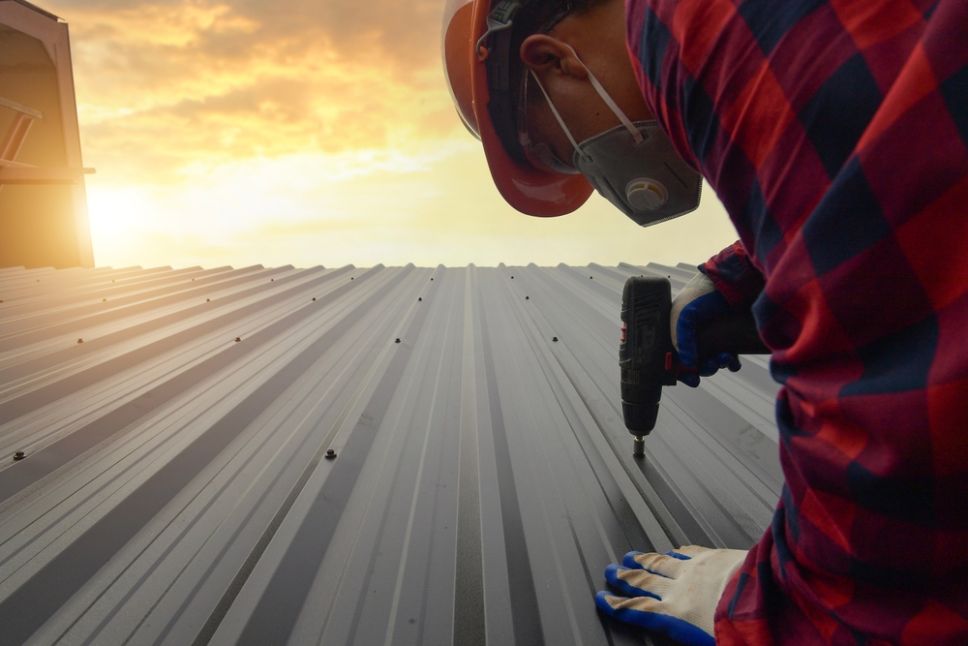
When homeowners start planning for a new roof, one of the first questions that comes up is how long the project will take. That question matters for practical reasons. People want to know how long crews will be on site, how much the project may affect daily routines, and when the home will be fully protected again.
The answer depends on several factors, but roofing installation usually follows a clear sequence. The timeline is shaped by what happens before work starts, what condition the existing roof is in, what kind of roof is being installed, and whether anything unexpected is found during the process. Understanding those stages makes it easier to know what to expect and why some projects move faster than others.
This guide walks through roofing installation in the order it usually happens so the timeline feels less vague and more useful.
Roofing Installation Starts Before the First Work Day
A roof replacement does not begin when materials arrive. The process starts earlier with planning, inspection, and scheduling. That early stage can have a major impact on how smoothly the installation goes once work begins.
The roof has to be evaluated first
Before installation is scheduled, the roof needs to be measured and assessed. This helps determine how much material is needed and whether the project looks straightforward or more involved. A simple roof with broad open sections is very different from a roof with multiple peaks, valleys, skylights, chimneys, or steep slopes.
During this stage, the installer is usually looking at things such as:
- Roof size
- Roof pitch
- Number of layers on the current roof
- Condition of visible shingles
- Flashing around chimneys, vents, and valleys
- Signs of previous water damage
This early review helps set expectations. If the roof is large or complex, the installation may take longer from the start.
Material selection also affects the timeline
The type of roofing material matters too. Some systems are more straightforward to install than others. Product availability can also affect scheduling, especially if a certain color or style has to be ordered.
For many homeowners, this planning stage is easy to overlook because the visible work has not started yet. Still, it is part of the full roofing installation timeline and often determines how organized the rest of the project will be.
The First Day Usually Focuses on Preparation and Tear Off
Once installation day arrives, the first phase is usually centered on getting the site ready and removing the old roof. This tends to be one of the loudest and busiest parts of the project.
The property needs to be prepared
Before the old roof comes off, the crew usually takes steps to protect the area around the home. This can include covering landscaping, moving equipment into place, and setting up debris removal. Good preparation helps reduce mess and makes cleanup more efficient later.
A well prepared site often means the crew is working with a clear process rather than improvising as they go.
Removing the old roof can take more time than people expect
The next step is to tear off. Old shingles and other roofing materials have to be removed before the new system can be installed. On a simple roof, this may move fairly quickly. On a larger roof or one with more than one existing layer, it may take longer.
A few things can slow this stage down:
- Multiple layers of old roofing
- Large roof size
- Steep sections
- Detailed rooflines
- Limited access around the home
This step matters because it exposes what is underneath. Until the old materials come off, no one can fully confirm the condition of the roof deck.
The Roof Deck Must Be Checked Before Installation Continues
Once the old roofing materials are removed, the crew needs to inspect the roof deck. This is one of the most important parts of the process because the new roof needs a stable surface beneath it.
Hidden damage may extend the project
Sometimes the deck is in good condition and work can move ahead without delay. In other cases, the tear off reveals soft wood, moisture damage, or weakened sections that need repair before the new roof can go on.
That can add time to the project, but it is necessary time. Installing a new roof over damaged decking creates a weaker system and can lead to bigger problems later.
Common issues uncovered at this stage include:
- Soft spots in the wood
- Rot from past leaks
- Damaged decking near roof penetrations
- Weak areas around valleys
- Moisture problems that were hidden beneath old shingles
When homeowners hear that the timeline has changed because repairs are needed, it can feel frustrating. In reality, this usually means the roof is being handled properly.
Underlayment and protective layers come next
After any needed repairs are made, the crew installs the protective layers that sit beneath the visible roofing material. These layers play an important role in moisture protection and help support the roof’s long term performance.
This stage often includes work at key transition points, including:
- Roof edges
- Valleys
- Penetrations
- Ridges
- Areas around flashing
These details may not be as visible from the ground, but they can have a major effect on how well the finished roof performs.
Installing the New Roof Often Moves Faster Than the Prep Work
Once the surface is ready, the visible installation begins. This is the part of the project most homeowners picture when they think about roofing installation.
Roofing materials are installed in sequence
For asphalt shingle roofs, installation usually follows a set pattern. Starter materials are installed first, then shingles are applied row by row across the roof. On a roof with a simple layout, this phase can move efficiently. On a more complex roof, the pace is slower because there is more cutting, fitting, and detail work involved.
At this point, the timeline depends heavily on the roof’s design. A roof with lots of interruptions will naturally take longer than one with long open sections.
Some parts of installation require more care than others
The large field sections of the roof may move quickly, but areas around roof features often take more time. These parts need extra attention because they are common places for water intrusion when installation is rushed.
Crews usually slow down around:
- Chimneys
- Skylights
- Plumbing vents
- Valleys
- Roof to wall intersections
- Ridge areas
If it looks like the pace has slowed during this stage, that is not always a bad sign. Often it means the crew is spending the necessary time on the parts that matter most.
Weather Can Change the Roofing Installation Timeline
Weather is one of the biggest variables in any roofing project. Even if everything is ready to go, conditions outside can change the schedule.
Rain is the most obvious issue, but it is not the only one. Strong wind can make it unsafe to work at height. Extreme heat can slow productivity and make working conditions more difficult. Cold conditions may also affect how some materials are handled and installed.
Because of that, weather delays are common reasons a roofing installation takes longer than originally expected. While delays can be inconvenient, they are usually better than forcing work under poor conditions.
When weather affects the schedule, a professional crew should make sure the roof is protected until work can continue.
Roof Size and Roof Design Matter More Than People Realize
Homeowners sometimes assume roofing timelines are mostly about square footage, but design matters just as much. Two homes may appear similar from the street and still have very different installation timelines.
Larger roofs usually take longer
This part is simple. More roof area means more materials, more labor, and more time. A large roof often requires more movement across the surface and more coordination across different sections.
Complex rooflines also add time
Roof design can slow a project down even more than size. A roof with multiple angles, valleys, slope changes, and penetrations requires more precision and more labor.
A roof may take longer if it includes features such as:
- Dormers
- Skylights
- Multiple peaks
- Several valleys
- Chimneys
- Attached sections at different heights
This is one reason there is no single answer that fits every roofing installation project.
Cleanup and Final Inspection Are Part of the Installation Too
The job is not done when the last shingle is nailed in place. Cleanup and final review are part of the roofing installation timeline and should not be treated as afterthoughts.
Cleanup should be thorough
Old materials, nails, and other debris need to be removed from the property. The driveway, yard, and surrounding areas should be checked carefully so the home is safe and usable once the crew leaves.
A proper cleanup often includes:
- Removing old shingles and debris
- Checking for stray nails
- Clearing material from landscaping
- Cleaning driveways and walkways
- Removing job site equipment
This part may not be the most exciting, but it matters for safety and for the overall experience.
Final review helps confirm the work is complete
Once cleanup is done, the roof should be reviewed to make sure everything was installed correctly and all visible details have been finished properly. This is also when homeowners can ask questions and get a clearer understanding of the completed work.
So, How Long Does Roofing Installation Take?
For many homes, roofing installation can be completed within a relatively short time once work begins, especially if the roof is a standard size, the weather cooperates, and no major repairs are uncovered. But the real answer depends on what the roof requires at each step.
The timeline is influenced by:
- The size of the roof
- The complexity of the roofline
- The type of roofing material
- Weather conditions
- Whether old decking needs repair
- How much detail work is involved
That is why it helps to think about roofing installation as a process rather than a single number. A project that takes a little longer is not always a sign of a problem. In many cases, it means the work is being done carefully and thoroughly.
Why the Right Installer Makes a Difference
A roofing project is easier to manage when the installer communicates clearly, prepares properly, and explains what affects the timeline. Homeowners are not just looking for speed. They are looking for work that is done well, with attention to the parts of the roof that matter most over time.
The right installer helps set expectations early, handles unexpected issues responsibly, and makes sure the finished roof is more than just good looking from the curb. That matters because the roof protects everything beneath it.
Ready to Talk About Your Roofing Project?
If you are planning a roofing project, Window World can help you understand what to expect from the process and what factors may affect your installation timeline. From the first evaluation to the final result, having the right team in place can make the project feel more straightforward and far less stressful.
Contact Window World today to schedule your consultation and get expert guidance on roofing installation designed for long term protection, dependable performance, and lasting value for your home.