

 Back to Blogs
Roofing Repair: Signs Your Roof Needs Immediate Attention
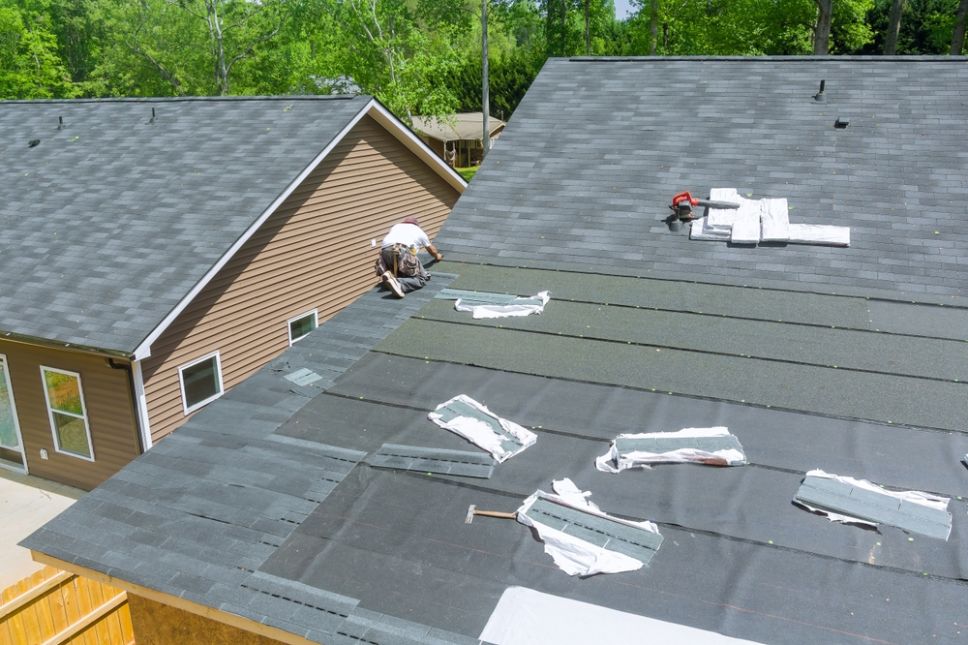
A roof problem rarely stays small for long. What starts as a loose shingle or a small water stain can turn into interior damage, mold, rotted decking, insulation issues, and a much more expensive repair. That is why roofing repair should never be pushed aside when warning signs start to show.
Many homeowners do not notice roof trouble right away because the earliest clues can be easy to miss. A problem may begin on the outside, but the first sign often appears inside the home. Knowing what to look for and what to do next can help prevent a minor issue from becoming a major one.
This guide walks through the signs in the order many people discover them, starting with what you may notice indoors, moving to what you can spot outside, and ending with what steps to take once you know your roof needs attention.
Start With the First Signs Inside the Home
In many cases, the earliest sign of roof trouble shows up inside before anyone thinks to look above. That is why the first step is paying attention to changes in ceilings, walls, and attic spaces.
Water stains on ceilings or walls
A brown stain on the ceiling is one of the clearest signs that roofing repair may be needed. Even a small discoloration can mean water is getting in through damaged roofing materials, flashing, or underlayment. Stains may appear after heavy rain, but they can also show up days later as moisture travels before becoming visible.
If you notice a stain getting darker, larger, or appearing in multiple places, the problem may be active. At that point, the roof should be checked as soon as possible.
Dripping or moisture during rain
If water is actively dripping during a storm, the issue has moved beyond early warning. This usually means the protective roofing system has already been compromised. A leak like this can damage drywall, insulation, flooring, and even electrical components if it is near wiring or fixtures.
A leak should not be treated as something to monitor over time. It calls for immediate attention.
Musty smells in upper rooms or attic spaces
Not every roof problem shows up as visible water. Sometimes the first clue is a damp or musty smell in an attic, upstairs hallway, or bedroom. That odor can point to trapped moisture, especially if ventilation is poor and water has been entering slowly. Even a small amount of repeated moisture can create conditions for mold growth and wood damage.
Check the Attic for Hidden Clues
Once there is a reason to suspect a problem, the attic can provide valuable signs. This step should be done carefully and only if it is safe to enter the space.
Damp insulation or wet wood
Insulation should feel dry. If it is damp or compressed in certain areas, water may be entering from above. Look at the underside of the roof decking as well. Dark streaks, soft wood, or visible moisture can all point to a roof leak.
Sunlight coming through the roof boards
If daylight is visible through the roof structure, water can likely enter through the same opening. Small gaps around vents or joints may sometimes be expected, but open points in the roof deck itself are a serious concern.
Sagging areas
A sagging section in the attic is a major warning sign. It may mean water has been sitting for long enough to weaken the wood. This is not a cosmetic issue. It can point to structural deterioration that needs fast professional evaluation.
Look for Exterior Signs From the Ground
The next step is to walk around the outside of the home and look up from the ground. You do not need to climb onto the roof to spot many common signs that roofing repair is needed.
Missing or damaged shingles
If shingles are cracked, curling, loose, or completely missing, the roof is more vulnerable to water intrusion. Shingles are part of the outer layer that protects the home from rain, wind, and sun exposure. Once that surface is damaged, the layers underneath can be exposed.
After a storm, it is especially important to look for sections that appear uneven or bare. Strong winds can lift or tear away roofing materials even if the damage is not obvious from a distance at first.
Granules collecting in gutters or downspouts
As asphalt shingles wear down, they begin to shed granules. These granules help protect the roof from sunlight and weathering. If you see an unusual amount of gritty material in gutters or near downspout exits, it may be a sign that the shingles are aging or deteriorating faster than they should.
While some granule loss can happen over time, heavy buildup often means the roof surface is losing its ability to protect the home effectively.
Flashing damage around roof features
Flashing is the metal material installed around chimneys, vents, skylights, and roof valleys to help direct water away from vulnerable areas. If flashing is cracked, loose, rusted, or pulling away, water can get in even when the shingles themselves still look fine.
Because these transition points are common leak areas, flashing problems should be taken seriously and addressed quickly.
Pay Attention After Storms and Severe Weather
Weather often brings roof issues to the surface. A roof that seemed fine before a storm may show clear signs of trouble after wind driven rain, hail, or falling debris.
Wind damage
High winds can lift shingles, break their seal, or pull them off completely. Even if only a few shingles are affected, the exposed area can let water in during the next rainfall. Sometimes wind damage is partial, which means the shingles are bent or loosened rather than missing. That still creates a repair need.
Hail impact
Hail can bruise shingles and weaken their surface. Damage from hail is not always easy to spot from the ground, but dents, dark marks, or fresh damage to metal roof components may suggest the roof has been affected. A roof that has taken hail impact may continue to deteriorate even after the storm has passed.
Tree limb or debris impact
If a branch hits the roof, the damage may range from scraped shingles to punctures in the roofing surface. Any visible impact area should be inspected. Even if the damage looks minor, the protective layers may have been compromised.
Notice Changes in the Roofline
The shape of the roof itself can tell you a lot about its condition. A straight, even roofline is what you want to see. Any visible change deserves attention.
Sagging or dipping sections
A sagging roofline can mean prolonged moisture exposure, failing materials beneath the shingles, or structural weakness. This is one of the most urgent signs on the list because it may involve more than surface repair.
Uneven sections or warping
If one area of the roof looks sunken, lifted, or visibly different from the surrounding sections, there may be trapped moisture or damage underneath. Uneven areas should never be ignored, especially if they are getting worse over time.
Know When the Problem Is Urgent
Some roofing issues can wait a short time for a scheduled repair visit. Others need attention right away. The difference matters.
A roof issue is urgent when water is actively entering the home, when shingles or flashing have come loose after a storm, when a roofline appears to sag, or when damage is exposing the decking beneath the roofing material. These are signs that the home is currently vulnerable, not just wearing down gradually.
The longer a serious roof problem remains untreated, the more likely it is to affect insulation, framing, ceilings, and interior finishes. In some cases, what could have been a targeted roofing repair becomes part of a much larger restoration project.
What to Do Once You Notice the Signs
Once you spot signs of roof trouble, the best next step is to act quickly and carefully. Document visible damage with photos if it can be done safely from the ground or from inside the attic. If water is entering the home, move belongings out of the way and contain the leak as much as possible.
Avoid climbing onto the roof yourself. Wet surfaces, damaged materials, and steep slopes create real safety risks. A professional inspection is the safest and most reliable way to determine the cause and extent of the problem.
It is also smart not to assume the issue is isolated to the exact place where you see the stain or drip inside. Water often travels before it becomes visible, which is why a full evaluation matters.
Why Quick Roofing Repair Matters
Fast action helps limit damage and protect the parts of the home you do not immediately see. A roof repair is not just about replacing a few shingles. It is about preserving the roof system, keeping moisture out, and maintaining the structure beneath it.
Prompt repairs can also help extend the life of the roof. When damaged areas are addressed early, the surrounding materials are less likely to be affected. Waiting too long can shorten the lifespan of the entire system and increase the chance of needing a larger project sooner than expected.
Turn to Window World When Roof Problems Need Attention
When your roof starts showing signs of damage, acting quickly can help prevent bigger issues from spreading across your home. A small leak, missing shingles, or visible storm damage can lead to more costly repairs if moisture continues to get in or exposed areas are left unaddressed. Taking care of the problem early helps protect your roof, your interior, and the long term condition of your home.
If you have noticed warning signs like leaks, damaged shingles, or storm related roof issues, Window World is here to help. Our team can inspect the problem, explain what is happening, and recommend the roofing repair solution that makes the most sense for your home. Contact Window World today to schedule your inspection and take the next step toward protecting your home with confidence.