

 Back to Blogs
What Is a Patio Door and Which Style Is Right for You
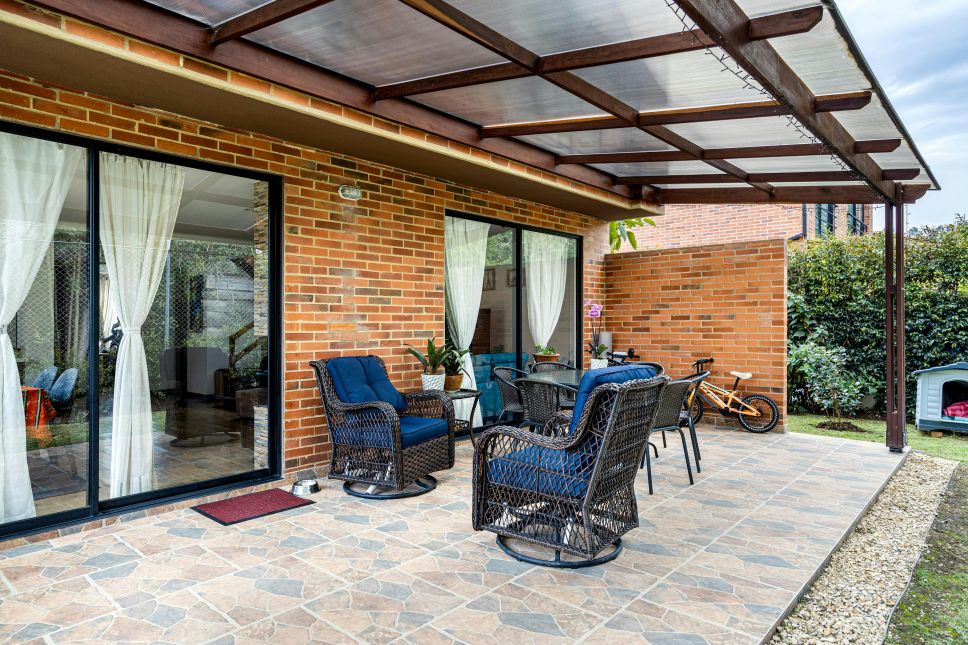
A patio door is more than a way to get outside. It affects light, comfort, access, and the overall feel of the room. If you are comparing options, the best place to start is by understanding what a patio door is and how each style works in everyday life.
What Is a Patio Door?
A patio door is a large exterior door designed to connect the inside of the home to an outdoor space such as a patio, deck, or backyard. Unlike a standard exterior door, it usually includes large glass panels that allow in more natural light and create a broader view of the outside.
Patio doors are often installed in living rooms, dining rooms, kitchens, or family rooms where people move in and out often. Because of that, they need to do more than look good. A patio door should open smoothly, close securely, seal properly, and make sense for the way the room is used.
That is why choosing one is not only about appearance. The right patio door should fit the opening, work well in the available space, and support how the home functions every day.
Why Patio Doors Matter in Everyday Use
Many homeowners do not think much about their patio door until something starts going wrong. The door may become hard to open, let in drafts, develop condensation between the panes, or stop locking as smoothly as it once did. In other cases, the issue is not damage but inconvenience. The room may feel dark, the layout may feel awkward, or the current door may simply not suit the space anymore.
A patio door has a bigger impact on daily comfort than many people expect. It influences the amount of daylight in the room, the flow of movement between inside and outside, and even how furniture can be arranged. In homes where the backyard, patio, or deck is used often, the patio door becomes one of the most frequently used openings in the house.
That is why the best choice usually comes from thinking beyond style alone. The right door should fit the way the room is actually lived in.
The Main Types of Patio Doors
Most homeowners comparing patio doors are looking at two main styles: sliding patio doors and hinged patio doors. Each one works differently, and that difference matters when it comes to space, convenience, and design.
Sliding patio doors
A sliding patio door opens by moving one large glass panel horizontally along a track. One side usually remains fixed while the other moves. This design is one of the most common because it is simple, practical, and easy to fit into many room layouts.
The biggest advantage of a sliding patio door is space. Because the door moves within its own frame, it does not swing inward or outward. That makes it useful in rooms where floor space matters. If furniture is placed nearby or if the doorway opens into an active part of the home, a sliding door often feels easier to live with.
Sliding patio doors are also known for bringing in a wide view and a strong amount of natural light. Their large glass panels can make a room feel brighter and more open. For many homeowners, that combination of simplicity and function makes sliding doors the easiest option to work with.
Hinged patio doors
A hinged patio door opens like a traditional door on side mounted hinges. Some versions have a single operating panel, while others have two panels that open from the center or one fixed and one active side. These are often chosen for their more classic appearance.
Hinged patio doors can create a more traditional look and may feel more formal than a sliding design. They are often appreciated for the way they frame the opening and for the style they bring to both the interior and exterior of the home.
The main thing to consider with hinged patio doors is clearance. Because the door swings open, you need enough room for that movement. In some rooms, that is no issue at all. In others, especially where furniture or walkways are close to the opening, it may be less convenient than a sliding option.
How to Choose the Right Patio Door Style
Once you understand the two main types, the next step is to compare them based on how the space actually works. This is usually where the right answer becomes clearer.
Start with the layout of the room
The room layout should be one of the first things you think about. A patio door is not an isolated feature. It is part of how the room functions every day. If the area around the opening is tight, a sliding patio door often makes more sense because it stays within the frame and does not need clearance to swing open.
If the room is more open and there is plenty of space for a swinging panel, a hinged patio door may work well. In some homes, that style can make the transition to the outside feel more defined and more elegant. The right choice depends on the amount of usable space around the opening and whether the swing path would interfere with movement or furniture.
Think about how often the door is used
Some patio doors are used occasionally. Others are used every day, sometimes many times a day. If the opening leads to a backyard, outdoor dining area, or deck that sees frequent use, the door should feel easy and natural to operate.
A sliding patio door is often a practical choice when frequent daily use is expected. It can be especially convenient in homes where people are moving in and out often. A hinged patio door may also work well, but it should feel comfortable within the room and not create an obstacle each time it opens.
Ease of use matters more over time than many people realize. A patio door may look great on installation day, but what matters most is how it performs every day after that.
Consider natural light and view
One of the biggest reasons homeowners choose patio doors is the amount of light they can bring into a room. Large glass panels can make a space feel brighter, more open, and more connected to the outdoors.
Sliding patio doors often provide a broad view because of their simple design and wide glass surfaces. Hinged patio doors can also provide a strong visual effect, but the framing and panel design may create a different look. Neither is automatically better. It depends on whether you want the cleanest possible view or a more traditional style with more visible framing.
If the room feels dark or closed off, the patio door can play a major role in changing that.
Why Energy Performance Matters
Because patio doors include a large amount of glass, energy performance is an important part of the decision. If the current door feels drafty or the room near it gets too hot or too cold, replacement may be an opportunity to improve comfort.
A well made patio door should close tightly and help reduce unwanted air movement. The quality of the glass matters, but so does the frame and the installation. Even a strong product can underperform if it is not installed correctly or if the surrounding opening has issues.
When comparing patio door styles, it helps to think beyond appearance. The right door should also contribute to a more comfortable room throughout the year.
Security Is Part of the Conversation
Patio doors are large exterior access points, so security matters. Homeowners sometimes focus first on style, but the locking system, frame quality, glass construction, and overall fit should all be considered.
A good patio door should feel solid, lock reliably, and sit correctly within the frame. A door that does not align properly or feels loose in operation can become frustrating and may not offer the level of confidence you want from an exterior opening.
In most cases, security comes down less to the general style and more to the quality of the door and the way it is installed.
Matching the Door to the Style of the Home
Once function, space, comfort, and performance are considered, the final decision often comes down to appearance. A patio door should feel like part of the home rather than something added as an afterthought.
Sliding patio doors often suit homes with a clean, simple, or more modern appearance. Hinged patio doors may work especially well in homes with a more traditional design. The surrounding trim, windows, hardware, and exterior details all influence which style feels more natural.
It helps to think about the whole picture. The best patio door is not only the one that looks good in a showroom. It is the one that fits the home and feels right in the space where it will actually be used.
When to Replace a Patio Door
A patio door may need replacement if it is difficult to open, no longer seals well, shows fogging between panes, feels drafty, or has visible wear around the frame or hardware. Sometimes the reason is more practical than obvious damage. The current door may not fit the way the room is used, or it may make the space feel more closed off than it should.
Replacing a patio door can improve the look of the room, but it can also improve access, comfort, and daily use. In many homes, the difference is noticeable right away. A door that glides or swings properly, locks securely, and lets in more light can make the entire area feel more usable.
Which Style Is Right for You?
If you want a practical option that saves space, offers a wide glass area, and works well in many layouts, a sliding patio door is often the right fit. If you prefer a more classic appearance and have enough room for the door to swing comfortably, a hinged patio door may be the better choice.
The best answer depends on how your room is arranged, how often the door is used, and what matters most to you in everyday use. A patio door should not only suit the opening. It should suit the way you live in space.
Find the Right Patio Door with Help from a Trusted Team
Choosing a patio door becomes much easier when you can compare options based on your actual layout, goals, and preferences. Window World serves homeowners with exterior improvement solutions that include doors and windows, with a focus on useful guidance and practical support.
If you are thinking about replacing your patio door and want help finding the right style for your home, reach out to Window World today to schedule a quote and discuss your options.