

 Back to Blogs
Window Installation Cost by Window Type and Material
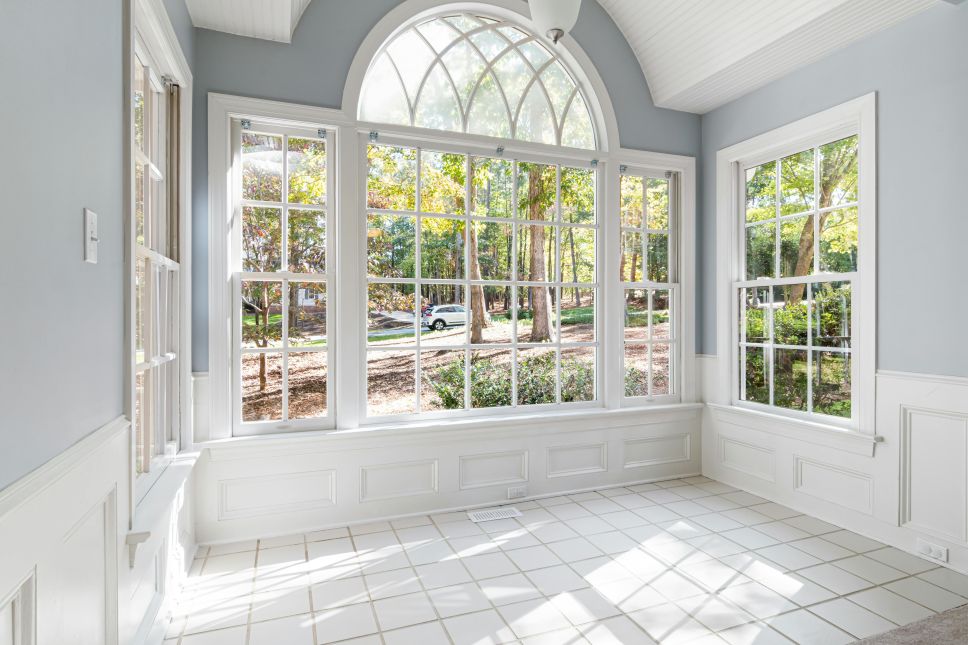
If you are pricing new windows, the first thing to know is that window installation cost is never tied to one number alone. The final price depends on the type of window you choose, the frame material, the size of the opening, the condition of the existing frame, and the amount of labor involved. That is why two homes on the same street can get very different quotes for what sounds like the same project.
The good news is that once you understand what drives cost, it becomes much easier to compare options and make a smart decision. Instead of focusing only on the lowest price, you can look at what you are actually getting for your money, how long the window is likely to last, and whether the material and style make sense for your home.
What Affects Window Installation Cost First
Before comparing window styles or materials, start with the basics. Window installation cost usually begins with the scope of the job. Replacing one window is different from replacing every window in the house. A simple insert replacement where the existing frame is still in good shape will often cost less than a full frame replacement that involves removing trim, repairing damage, and installing an entirely new unit.
Labor also matters more than many homeowners expect. A ground floor window in a standard size opening is usually easier to install than a large custom window on an upper story. If the installer finds water damage, rotted wood, or structural issues around the opening, the price can increase because extra repair work is needed before the new window goes in.
Glass package choices can also change the total. Double pane glass is common, but upgrades like triple pane glass, better low emissivity coatings, gas fills, sound reduction features, or impact resistant glass can raise the price. These upgrades may still be worth it depending on climate, noise levels, and energy goals.
Window Installation Cost by Window Type
The style of window you choose has a direct effect on cost because different window types use different hardware, operating systems, and amounts of material.
Single hung and double hung windows
Single hung and double hung windows are some of the most common choices for residential replacement projects. Single hung windows usually cost less because only one sash moves. Double hung windows tend to cost more, but many people prefer them because both sashes can operate, which can improve airflow and make cleaning easier from inside the home.
If budget is a major factor, these are often among the first styles homeowners compare. They work well in many home designs and usually offer a good balance between price, appearance, and everyday function.
Casement windows
Casement windows open outward with a crank, so they have more mechanical parts than basic hung windows. That usually makes them more expensive. They are often chosen for their clean look, tight seal, and strong ventilation. In some rooms, the extra cost makes sense because they can catch side breezes more effectively than other styles.
Sliding windows
Sliding windows usually move horizontally along a track. Their cost often falls in the middle range, though large sizes and upgraded glass can push pricing higher. They are popular in spaces where a projecting window would be inconvenient, such as near walkways or patios.
Picture windows
Picture windows do not open, which can help keep the price lower than more complex operating styles, especially when comparing similar sizes. At the same time, very large picture windows can become expensive because of the glass size and installation demands. They are often selected when the goal is to maximize daylight or highlight a view.
Bay and bow windows
Bay and bow windows are usually among the more expensive window options. They project outward from the home and often require more framing work, more glass, and more labor. Because they change the structure and appearance of the wall, installation is more involved than a standard replacement window. Homeowners typically choose them for curb appeal, added interior space, and the ability to bring in more natural light.
Specialty and custom shape windows
Arched, circular, triangular, and other custom shaped windows often cost more than standard rectangular models. The reason is simple. Custom manufacturing and custom installation usually require more time and precision. These windows can add character, but they are not usually the budget pick.
Window Installation Cost by Frame Material
Once you narrow down the style, the next major factor is material. This affects not only price, but also maintenance, appearance, and long term value.
Vinyl windows
Vinyl is often one of the most affordable and widely chosen options. It is popular because it is low maintenance, resists moisture, and generally offers solid energy performance. For many homeowners, vinyl gives a practical mix of value and performance without requiring regular scraping, painting, or staining.
That said, not all vinyl windows are made the same way. Lower end products can look or feel less substantial, while better constructed vinyl windows may offer stronger frames, better insulation, and more durable hardware. When comparing quotes, it helps to look beyond material alone and ask about the quality of the window itself.
Wood windows
Wood windows are usually more expensive than vinyl. They are often chosen for their classic appearance and warm interior finish. In the right home, they can look beautiful and maintain architectural character. The tradeoff is maintenance. Wood can require more attention over time, especially if exposed to moisture or harsh weather conditions.
For homeowners who care deeply about appearance and are willing to maintain the product, wood may still be worth the higher price.
Fiberglass windows
Fiberglass tends to sit at the higher end of the price range, but it has strengths that attract buyers looking for durability and stability. It handles temperature changes well, can be very strong, and often has a more refined look than basic vinyl. For homeowners planning to stay in the home long term, fiberglass can be appealing because of its lifespan and performance.
Aluminum windows
Aluminum windows are less common in many replacement projects, but they still appear in certain home styles and climates. They are strong and slim, which can create a clean modern appearance. However, aluminum is not always the top choice for insulation compared with other materials, so cost should be weighed alongside energy performance.
Composite windows
Composite windows are made from blended materials designed to offer durability, efficiency, and lower maintenance. Their cost is often higher than vinyl and can compete with fiberglass or wood, depending on the brand and build. For homeowners who want a balance of strength and performance, composite may be worth considering.
Why Installation Method Changes the Total Price
Even after choosing the window type and frame material, installation methods can shift the cost significantly. Insert replacement is often less expensive because the existing frame stays in place. This works best when the frame is square, solid, and free from damage.
Full frame replacement costs more because the old frame, trim, and sometimes interior or exterior materials need to be removed. Still, it can be a better investment if the original frame is failing or if you want to correct leaks, rot, or poor insulation around the opening. Paying less for a simpler install is not always the best value if hidden problems remain behind the old frame.
How to Compare Window Quotes the Right Way
When homeowners gather estimates, it is easy to focus on the bottom line and ignore the details. That can lead to a frustrating decision. A lower quote may reflect a simpler installation method, a lower quality window, limited warranty coverage, or fewer performance features.
Instead, compare the type of window being offered, the frame material, the glass package, the installation approach, and any repair work included in the proposal. Ask whether trim, cleanup, disposal, and finishing work are part of the price. It also helps to confirm whether the windows are custom sized for the opening and whether the crew will inspect for hidden damage during installation.
A good quote should make it clear what is included and why the price is what it is. That level of detail makes it easier to judge value, not just cost.
What Usually Makes a Project Worth the Investment
Window replacement is rarely just about appearance. Many homeowners start looking at window installation costs because they are dealing with drafts, difficult operation, condensation between panes, rising energy bills, or windows that simply look worn out. In those cases, the right replacement can improve comfort, reduce maintenance, and refresh the look of the home at the same time.
The key is choosing windows that fit both the house and the way you live in it. A lower upfront price can be attractive, but long term performance matters. Windows are used every day, and installation quality affects how they perform just as much as the product itself.
Get Guidance from a Team that Installs Windows Every Day
If you are trying to figure out the right balance between style, material, performance, and price, it helps to speak with a team that can walk you through your options clearly. The best approach is to get a quote based on your home, your window openings, and the goals you have for the project.
Window World can help you compare window types, materials, and installation options so you can make a decision with confidence. Reach out today to schedule your quote and get a clearer picture of what your window installation cost may look like for your home.