

 Back to Blogs
How to Choose the Right Window Installer for Your Home
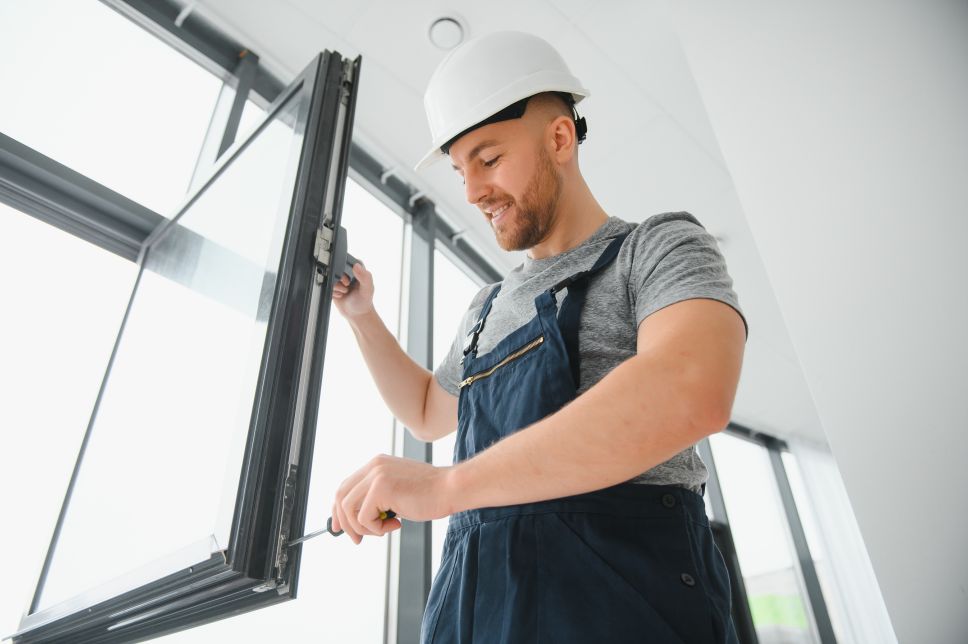
Choosing the right window installer is not just about finding someone who can put new windows in place. It is about finding a company that knows how to measure properly, protect your home, install the windows correctly, seal everything with care, and leave you with results that feel worth the investment.
Windows affect comfort, energy use, curb appeal, natural light, noise control, and the overall feel of your home. Even a high quality window can underperform if it is installed poorly. That is why the installer you choose matters as much as the window itself.
The process is easier when you take it one step at a time. Start by understanding what your home needs, then research local options, compare experience, review estimates, ask better questions, and make sure the installer has a clear process from the first visit to the final walkthrough.
Start by Looking at Your Current Windows
Before calling a window installer, take time to look closely at the windows you already have. You do not need to know all the technical terms. You just need to understand what is bothering you and what problems you have noticed.
Walk through each room and pay attention to how the windows look, feel, and function. Some issues are obvious, like cracked glass or broken locks. Others are easier to miss, such as air leaks, moisture around the frame, or windows that no longer sit squarely in the opening.
Common Signs Your Windows Need Attention
A few signs are worth writing down before you speak with an installer:
- Drafts around the window
- Condensation between panes of glass
- Windows that stick or will not stay open
- Locks that do not work well
- Water stains around the frame or wall
- Soft or damaged trim
- Outside noise that feels louder than usual
- Rooms that are hard to keep warm or cool
These signs do not always mean every window in the home needs to be replaced. They do help you explain your concerns clearly during an estimate, which can lead to better recommendations.
Decide What You Want to Improve
Once you know what is wrong, think about what you want new windows to do for your home. Some people care most about comfort. Others want a cleaner exterior appearance, easier maintenance, better natural light, or improved energy performance.
This step helps you choose a window installer who understands your goals instead of only giving you a basic quote. A good installer should ask questions about how you use your home, which rooms are uncomfortable, and whether you are replacing all windows or only the ones causing problems.
Think Beyond Appearance
New windows can improve the way a home looks, but appearance should not be the only factor. You may also want windows that are easier to open, easier to clean, better sealed, or more suited to the style of your home.
For example, a bedroom may need better ventilation. A living room may need a larger glass area for more light. A street facing room may need windows that help reduce outside noise. Knowing what each space needs can make the conversation with your window installer much more useful.
Research Local Window Installers
After you understand your needs, begin researching local companies. A local window installer is often a better fit because they are familiar with common home styles, weather conditions, and installation challenges in your area.
Start with company websites, reviews, local listings, and referrals if you have them. Look for companies that clearly explain their process and show experience with residential window replacement. Pay attention to consistency. One glowing review is nice, but a long pattern of positive feedback is more meaningful.
What to Look for During Research
When reviewing a window installer online, look for signs of reliability and professionalism. These include clear service information, real customer reviews, project photos, contact information, warranty details, and a website that explains what homeowners can expect.
You should also notice how the company talks about installation. If the company focuses only on the product and says very little about the work itself, that may leave you with questions. A strong installer should care about both.
Check Licensing, Insurance, and Training
Before inviting a company further into the process, confirm that they have the right credentials. Requirements vary by location, but a professional window installer should be able to explain whether licensing applies and what kind of insurance they carry.
Insurance is especially important because window installation involves tools, glass, ladders, trim, openings in exterior walls, and work both inside and outside the home. If damage or an accident happens, you do not want to be left guessing who is responsible.
Questions to Ask About Credentials
You do not need to make the conversation complicated. Simple questions can tell you a lot:
- Are you licensed for this type of work where required?
- Do you carry liability insurance?
- Are your installers trained for residential window installation?
- Who will be working on my home?
- Do you use your own crews, subcontractors, or both?
A trustworthy window installer should answer these questions directly. If the answers are vague, rushed, or avoided, that is a sign to slow down before moving forward.
Review Experience With Homes Like Yours
Experience matters because no two homes are exactly alike. Older homes may have uneven openings, hidden moisture damage, or trim that needs extra care. Newer homes may have different framing, siding, or efficiency concerns. A skilled window installer knows how to identify these details before they become installation problems.
Ask how long the company has been installing windows and whether they often work on homes similar to yours. Experience with residential replacement windows is especially important because replacement work is not the same as installing windows in new construction.
Why Residential Experience Matters
A residential window installer needs to understand how to remove old windows without causing unnecessary damage, how to inspect the opening, how to fit the new window correctly, and how to seal it so the finished result performs well.
The installer should also know how to protect the interior of the home. That includes floors, walls, furniture, and nearby decor. The work may happen at the exterior wall, but it affects the inside of your home too.
Schedule an In Home Estimate
An in home estimate is one of the most useful steps in choosing a window installer. It gives the company a chance to see the actual windows, measure carefully, check for potential issues, and explain your options.
Be cautious with a final quote given without seeing the home. Window size, frame condition, trim, access, material choices, and installation needs can all affect the cost. A more careful estimate is usually better than a fast number that changes later.
What a Good Estimate Should Include
A clear estimate should explain what is included in the project. It should cover the number of windows, window style, materials, labor, installation details, possible repairs, cleanup, warranty information, and payment terms.
It should also make clear what is not included. This matters because unexpected add ons can make a project feel frustrating. If there may be extra costs for damaged wood, trim repair, or special installation needs, the installer should explain that before the work begins.
Compare More Than the Price
Price is important, but it should not be the only deciding factor. The lowest quote is not always the best value, especially if it leaves out important details. A cheaper project can become expensive later if the installation is rushed, poorly sealed, or not covered by a strong workmanship warranty.
When comparing window installer options, look at the full picture. Consider the company’s experience, communication, reviews, product options, installation process, warranty coverage, and how clearly they explain the project.
Watch for Red Flags
Some warning signs should make you pause. Be careful if a window installer pressures you to sign immediately, refuses to put details in writing, gives unclear pricing, avoids warranty questions, cannot explain who will do the work, or offers a quote that seems unusually low compared with others.
A good installer should make the decision feel clearer, not more stressful.
Ask About the Installation Process
Before hiring anyone, ask how the installation will actually happen. This helps you understand what to expect and gives you a better sense of how organized the company is.
A professional window installer should explain how the old windows will be removed, how the openings will be checked, how the new windows will be placed, how sealing will be handled, and how the finished work will be inspected.
Questions That Help Clarify the Process
These questions can help you compare installers:
- How long will the installation take?
- How many people will be working at the home?
- How do you protect floors, walls, and furniture?
- What happens if you find water damage or rotted wood?
- Will old windows and debris be removed?
- Who checks the finished work?
- What should I do before installation day?
The answers should feel practical and specific. If the installer cannot explain the process in a way that makes sense, they may not be the right fit.
Understand the Warranty
A window warranty can cover different things, so read the details carefully. There may be product coverage from the manufacturer and separate coverage for the installation work. Both matter.
Product warranties may cover parts such as glass, frames, seals, or hardware. Installation warranties usually relate to the workmanship. Since installation quality has a major impact on window performance, this coverage should not be ignored.
Ask What Happens After the Job
Before choosing a window installer, ask how service issues are handled after installation. If a window sticks, leaks, does not lock properly, or develops a concern related to the work, you should know who to contact and what the process looks like.
A professional company should stand behind its work and explain next steps clearly.
Pay Attention to Communication
The way a company communicates before you hire them often tells you what the project will feel like later. If they are hard to reach, unclear, rushed, or dismissive during the estimate, that may continue once the job begins.
Good communication does not mean constant updates. It means you know what is happening, when it is happening, who to contact, and what to expect.
Signs of a Reliable Window Installer
A reliable window installer usually responds in a reasonable amount of time, explains options without pressure, confirms details in writing, answers questions clearly, and prepares you for installation day.
You should feel comfortable asking questions. A professional installer will understand that replacing windows is a major home decision.
Prepare for Installation Day
Once you choose a window installer, ask how to get your home ready. Preparation helps the crew work efficiently and helps protect your belongings.
You may need to move furniture away from windows, remove curtains or blinds, take down fragile items near the work area, clear outdoor access, and keep pets safely away from the installation space.
The installer should also explain what they will do to protect your home. This may include covering floors, managing debris, and cleaning the work area once the project is complete.
Check the Work Before the Installer Leaves
When installation is finished, take time to review the project. You do not need to inspect every technical detail, but you should make sure the windows look right, operate smoothly, lock properly, and appear clean and finished.
A good window installer should walk you through the completed work and answer final questions. This is the right time to ask about cleaning, operation, warranty paperwork, and care instructions.
What to Review at the Final Walkthrough
Check that each window opens and closes smoothly, that locks work correctly, that trim and caulking look neat, that there are no obvious gaps, and that the work areas have been cleaned. If something does not look right, mention it before the crew leaves.
Professional installers want the finished work to meet expectations, and a final walkthrough helps make sure nothing is missed.
Save Your Window Paperwork
After the project is complete, keep your paperwork in one place. Save the estimate, contract, warranty details, product information, and care instructions. This makes future service easier and helps if you decide to replace more windows later.
Good records also help you understand exactly what was installed in your home.
Choose a Window Installer With Confidence
The right window installer should make the process feel organized from start to finish. They should inspect your home carefully, explain your options clearly, provide a detailed estimate, protect your home during installation, and stand behind the work after the project is complete.
Choosing well helps your new windows perform the way they should. With proper installation, your home can feel more comfortable, look better from the outside, and avoid common problems like drafts, leaks, and poor operation.
Talk to Window World About Your Window Project
Window World of Atlantic City helps homeowners replace and install windows with a process focused on clear guidance, reliable products, and professional installation. If you are comparing window installer options and want help choosing the right windows for your home, their team can walk you through the next step.
Reach out to Window World today to discuss your window project and get help from a window installer you can feel confident about.