

 Back to Blogs
Condensation on Windows: Common Causes and How to Fix It
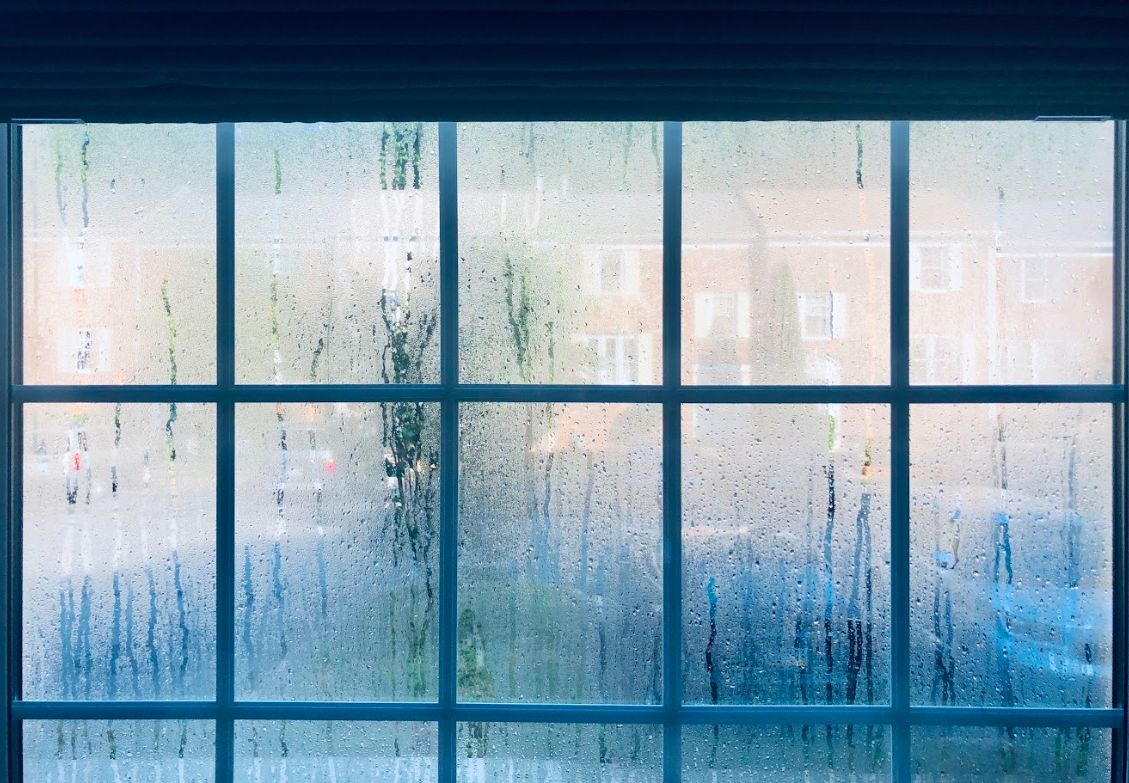
Condensation on windows is one of the most common concerns homeowners bring to us, and the good news is that most of the time it's not a window problem at all. Foggy glass forms when warm, humid air meets a cooler surface, the same way a cold drink sweats on a summer day. Whether it's something to fix, something to manage, or nothing to worry about depends entirely on where the moisture is showing up.
That's the key to this whole topic. Condensation on the outside of the glass, on the inside, and trapped between the panes are three different situations with three different causes. Here in southern New Jersey, where humid shore summers meet cold, damp winters, you may see all three at some point. This guide walks through each one, what it means, and exactly what to do about it.
Why Condensation Forms on Windows in the First Place
Air holds moisture, and warmer air holds more of it. When that air touches a surface colder than its dew point, the moisture has nowhere to go and settles out as water droplets. In a well-insulated home, the glass in your windows is usually the coolest surface around, since it sits right at the boundary between indoor and outdoor temperatures. That makes it the natural landing spot for excess moisture.
So condensation on windows is really a story about two things: how much humidity is in the air, and how cold the glass is. Every cause and every fix below comes back to one of those two factors.
Condensation on the Outside of Your Windows
If you walk out on a summer morning and find the exterior glass fogged over, take a breath. This is the most harmless type of condensation, and it often means your windows are doing their job well.
Exterior condensation shows up most in warmer months, when humid outdoor air meets glass that's been cooled by your air conditioning. Energy-efficient windows insulate so effectively that the outer pane stays closer to your cool indoor temperature instead of warming up with the outside air, which is exactly what you want them to do. The moisture in the morning air condenses on that cool surface, then evaporates as the sun climbs.
How to Fix It
In most cases, you don't need to. The fog burns off on its own by mid-morning. If it bothers you, trimming back shrubs and landscaping near the glass improves air circulation and lets more sunlight reach the window to evaporate the droplets faster. Raising your thermostat a degree or two also warms the interior glass slightly, though most homeowners reasonably decide their comfort matters more than a brief morning fog.
Condensation on the Inside of Your Windows
Interior condensation is the type worth paying attention to. It typically shows up in fall and winter, when outdoor temperatures drop, the glass cools, and the warm, moist air inside your home hits that chilly surface. A little fog in the corners now and then is normal. Heavy moisture that beads up, runs down the glass, and pools on the sill is a sign your indoor humidity is too high.
Everyday life generates a surprising amount of moisture. Cooking, showering, running the dishwasher, doing laundry, even breathing, all of it adds water vapor to the air. In winter, with the windows shut tight, that moisture has nowhere to escape. And the window is just the messenger. If humidity is condensing on your glass, it may also be collecting in places you can't see, like attic insulation and wall cavities, where it can do real damage over time.
How to Fix It
The fix is lowering indoor humidity and keeping air moving. Here's the practical checklist:
- Run exhaust fans.
Use the bathroom fan during and after showers and the range hood while cooking, and let them run a few minutes afterward.
- Use a dehumidifier.
A portable unit handles a problem room. If the whole house runs damp, a whole-home dehumidifier is worth a conversation with your HVAC contractor.
- Keep air circulating.
Ceiling fans and open interior doors prevent moist air from settling against cool glass. Opening curtains and blinds during the day helps too, since trapped air between the fabric and the glass gets cold and damp quickly.
- Crack a window briefly.
Even in winter, a few minutes of fresh air exchanges humid indoor air for drier outdoor air. Double-hung windows make this easy, since you can open the top sash slightly without creating a draft at seating level. Awning windows can even stay open for ventilation during rain.
- Move humidity sources
Clusters of houseplants, fish tanks, and drying laundry all release moisture. Spreading them out or relocating them away from problem windows helps.
If condensation is severe on single-pane or older windows, the glass itself is part of the problem. A single pane gets far colder than an insulated unit, which makes it a magnet for moisture. Upgrading to insulated, energy-efficient glass raises the interior surface temperature, and details matter here: our windows use a Warm-Edge Spacer between the panes that blocks the path of escaping heat and eliminates glass-to-metal contact, specifically reducing condensation on winter glass where it usually starts, at the edges.
Condensation Between the Window Panes
This is the one type of condensation that always signals a window problem. Modern windows have two or more panes of glass with a sealed, insulating space between them. If you see fog, droplets, or a milky haze trapped inside that space, where you can't wipe it from either side, the seal has failed and moisture has worked its way in.
A failed seal means the insulating layer is compromised. The window no longer regulates temperature the way it should, which shows up as a colder room and higher energy bills. The trapped moisture can also leave permanent mineral deposits on the inner glass, and persistent dampness raises the risk of mold around the frame.
How to Fix It
Cleaning won't help, and resealing is rarely a lasting solution, particularly on an older window. Replacement is usually the better long-term answer, and it's an opportunity rather than just a repair. New insulated vinyl windows fix the seal failure and upgrade your comfort and efficiency at the same time, backed by comprehensive warranty coverage so you're protected going forward. If you're weighing the decision, it helps to understand both the installation cost by style and material and the different window types available, since replacing a failed unit is the natural moment to choose a style that better fits the room.
When Condensation on Windows Means It's Time to Act
A quick way to read what your windows are telling you:
- Outside fog that clears by morning's end: normal, and a sign of well-insulated glass.
- Occasional light fog inside during cold snaps: normal, manage humidity with the steps above.
- Heavy, recurring interior moisture, pooling water, or peeling paint and stained trim near windows: your humidity is too high, or older glass is running too cold. Address both.
- Moisture trapped between panes: failed seal. Plan on replacement.
Condensation problems also tend to travel with other signs of aging windows, like drafts, sticking sashes, and rising heating bills. Routine exterior maintenance checks are a good habit for catching these early, and choosing the right window installer matters just as much as the window itself, since a poor installation can create the very air leaks and cold spots that invite moisture.
Get a Clear Answer on Your Windows
If you're seeing persistent condensation on windows and aren't sure which kind you're dealing with, we're happy to take a look. Schedule a free in-home or virtual consultation and a Design Consultant will assess your windows, explain what's happening, and walk you through options with no pressure. Every replacement window we install is custom-built for your home, installed by professional installers, and backed by comprehensive warranties, with financing options available through the Window World Credit Card Program with approved credit.
Window World of Atlantic City is locally owned and operated in Egg Harbor Township, proudly serving homeowners throughout Atlantic, Cape May, and Cumberland counties. Request your free quote today. Superior Products, Professionally Installed, at a Guaranteed Low Price.